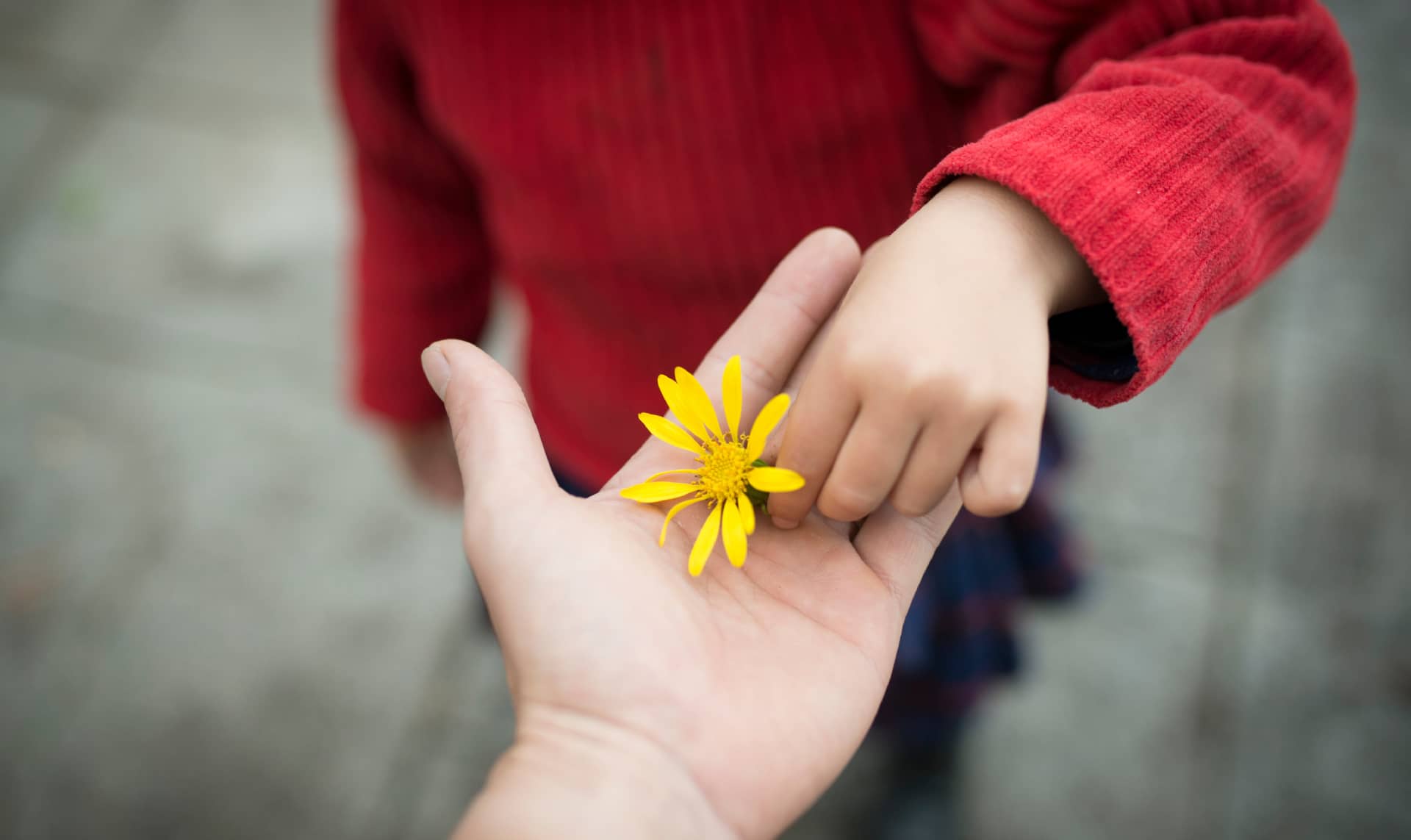
Emotional Self-Care. Small routines to nurture your mind every day
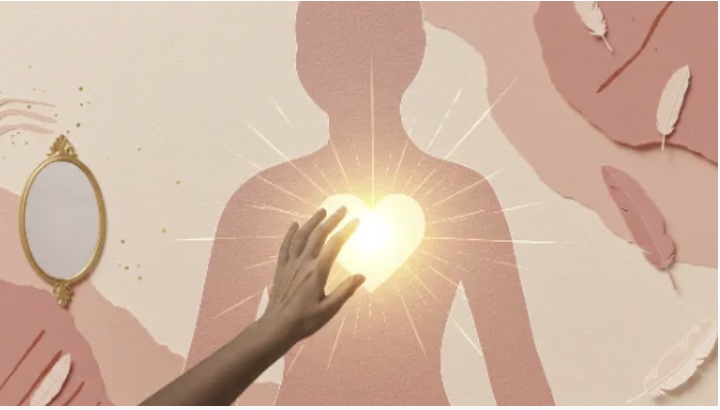
What nobody tells you about taking care of yourself
We live in a culture that prizes productivity above almost everything else. Those who rest are "wasting time." The one who sets boundaries is "not committed enough." The one who admits exhaustion "needs to be stronger." In that context, emotional self-care ends up feeling like a luxury (something for when there's time), when the urgent things are resolved, when you've "earned it."
But that's not how it works.
Emotional self-care is not a prize or a reward. It is a basic need, as fundamental as sleeping or eating. And it doesn't require grand gestures or elaborate rituals. At its core, it's about small daily habits that reconnect you with yourself: truly resting, eating mindfully, breathing before reacting, setting limits when necessary, learning to say "no" without needing to justify yourself.
In practice, one of the most frequent discoveries patients make is that many of them never learned to take care of themselves without feeling guilty. They grew up in environments where a person's worth was measured by how much they served, how much they produced, how much they endured. Rest was seen as laziness. Needing support, as weakness. And so, over the years, they learned to ignore their own signals (exhaustion, sadness, limits) until their body or mind forced them to stop.
Taking care of yourself is not selfish. It is, in fact, the necessary condition for being able to care for others with genuine presence. No one can offer calm from a place of exhaustion, love from emptiness, or patience from chronic irritation. When you take care of yourself, you have more to give, and you give it, from a healthier place.
Simple routines to strengthen your emotional wellbeing
No radical transformation is needed. Sometimes the most sustainable changes begin with small gestures, repeated consistently.
- Start the day with yourself, before the world. The first impulse for many is to check their phone upon waking (notifications, news, messages). But those first minutes of the day are precious. Use them for yourself: breathe deeply, find something concrete to be grateful for, and ask yourself honestly how you are. That small act of presence can change how you face everything that follows.
- Move your body, even briefly. It's not about going to the gym or following a perfect routine. One minute of stretching, a short walk, breathing mindfully in the middle of an intense afternoon, anything that pulls your attention away from the screen and brings you back to your body. Movement regulates the nervous system and shifts emotional states in ways we often underestimate.
- Mind how you talk to yourself, especially when things don't go well. Inner dialogue is constant and powerful. Many people speak to themselves with a harshness they would never direct at someone they love. Practice speaking to yourself with the same respect and compassion you would offer a friend in difficulty. It's not about ignoring mistakes, but about processing them from a place of equanimity rather than destructive self-criticism.
- Close the day with intention. The end of the day also deserves attention. Before sleeping, truly disconnect, turn off screens, step away from work, let go of unfinished conversations. If you can, take a few minutes to review the day calmly, what was hard, what went well, what you are grateful for. A good night's sleep doesn't begin when you close your eyes: it begins in how you end your day.
- Recognize when you need support and seek it without guilt. Perhaps the deepest form of self-care is this: knowing when you can't manage alone. There are moments when the weight is too heavy, the confusion too great, the pain too persistent. Asking for help (from a friend, a family member, a professional) is not weakness or failure. It is one of the most courageous and lucid acts a person can do for themselves.
A final reflection
Taking care of yourself is not a destination you arrive at, but a practice you choose every day. It doesn't have to be perfect. It doesn't have to be constant. It just has to be honest.
Start where you are, with what you have, even if it's little.
Dra. Paulina Troncoso